
Recycled frames where are we now
Recycled Frames in the Mountain Bike Industry: The State of Play in 2025
In 2025, sustainability is no longer a niche concern for mountain bike makers — it’s a strategic priority. As riders, regulators and retailers increasingly scrutinise environmental impact, frame materials have become a key battleground for climate and circular-economy goals.
Why Frames Matter
The bicycle frame isn’t just the biggest single part of a mountain bike — it’s also one of the most resource-intensive to produce. Traditional materials like aluminium and carbon fibre account for a large share of manufacturing emissions and waste:
Aluminium production is energy-intensive and contributes heavily to a bike’s lifecycle emissions, though recycled aluminium can cut those impacts sharply.
Carbon fibre have long been prized for performance, but most carbon frames contain a high portion of resin and are difficult to recycle. Industry studies show that recycling rates for carbon fibre frames remain extremely low — often less than 15% — with many ended up in landfill.
Given this context, the market is focusing on recycled frames and circular solutions as part of a broader sustainable revolution.
Current Initiatives and Innovation
1. Recycled Aluminium Frames
Some mainstream brands are integrating recycled aluminium into frames with real scale. For example:
Reports indicate that certain manufacturers are now making frames from 100% recycled aluminium and expanding this across model lines.
Cycling industry data suggests nearly 60% of companies aim to use at least 50% recycled materials by 2030, with recycled aluminium being a major contributor.
Recycled aluminium doesn’t just reduce waste — it uses significantly less energy than refining new aluminium, cutting carbon footprints and raw material demand.
2. Carbon Fibre Recycling Efforts
Carbon fibre remains a high-performance favourite for mountain bikes, but its end-of-life impact is stark: up to 90% of carbon frames may end in landfill without proper recycling.
To counter this, a handful of innovative projects and brands are investing in closed-loop recycling:
Some companies already claim to use 100% recycled carbon fibres in new frames and ensure take-back and reprocessing of old material.
Collaboration between industry, academia and specialist recyclers aims to turn spent carbon frames into usable products like new tapes and composite goods — a step toward circular reintegration.
Despite this progress, carbon recycling still lags behind metals in scale and cost, and true high-volume solutions are still emerging.
3. Novel Materials: Plastics, Bio-Composites & Bamboo
Beyond metals and traditional composites, the industry is experimenting with entirely new frame approaches:
Recyclable plastic frames: Companies like igus have developed injection-moulded fully recyclable plastic composite frames — including production techniques that allow end-of-life material to be regranulated and reused.
Recycled content bikes: Brands using recycled fishing nets and other low-value polymers to make bike frames demonstrate how waste streams can be valorised.
Natural materials: Bamboo and other renewable fibres have seen rising interest — combining lightweight performance with carbon sequestration and biodegradability.
These innovations remain smaller than mainstream aluminium and carbon offerings, but they signal new directions for sustainable frame design.
Market Drivers and Consumer Pressure
A few key forces are pushing recycled frames into the spotlight:
Rider and Retail Demand
Surveys show that a majority of cyclists — especially younger buyers — care about sustainability and factor it into purchasing decisions, making recycled materials a sales differentiator.
Regulation and Reporting
Environmental reporting and emissions commitments (e.g., cutting bike production emissions in half) are motivating brands to adopt low-impact and recycled frame solutions.
Circular Economy Leadership
Some brands are moving toward take-back programs and closed-loop designs, where frames at end-of-life return to new products — a fundamental shift from linear “make-use-dispose” models.
Challenges Ahead
Despite momentum, significant obstacles remain:
Recycling infrastructure: Especially for composite materials, technical and economic barriers slow recycling scale-up.
Performance trade-offs: Riders expect mountain bikes to perform at high levels; matching the stiffness-to-weight and durability of virgin carbon remains difficult with recycled or novel materials.
Cost pressures: Sustainable materials and processes often carry higher costs that filter into retail pricing.
However, ongoing investment, collaborative research and consumer demand are steadily pushing the industry forward.
The Road Ahead
The mountain bike industry in 2025 sits at a crossroads between performance tradition and sustainable transformation. Recycled frame technologies — from high-recycled aluminium to pioneering plastics and bio-derived composites — are reshaping both manufacturing and brand positioning.
As end-of-life solutions improve and circular design becomes mainstream, recycled frames may soon shift from boutique innovation to expected standard in mountain bike design and production.
Featured Article is from Pinkbike Have you ever recycled a frame
English Company Igus have taken a completely new approach with their injection moulded recycled plastic frames
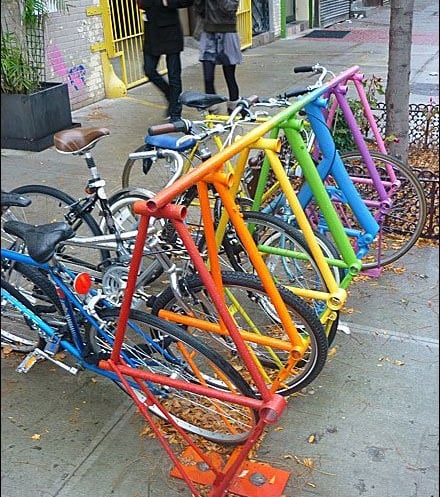


What about novel ways to recycle old bike frames